
Yes, dogs can eat butter in very small amounts. It is not toxic but is high in fat and can cause digestive upset if overfed. Too much butter can lead to weight gain or pancreatitis, so it should only be given sparingly.
Last updated:
March 22, 2026
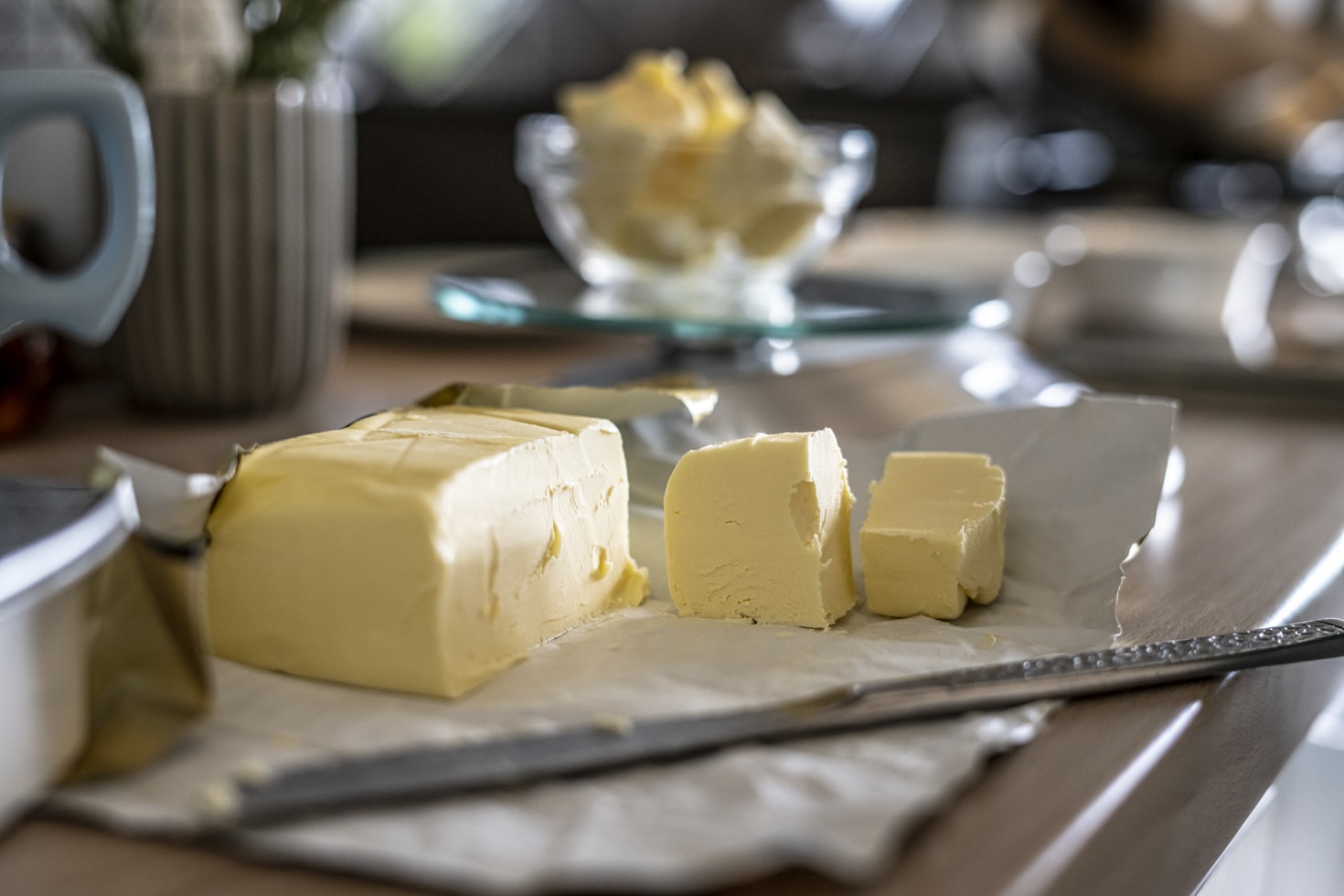
Butter should never be a regular part of a dog’s diet due to its high fat content. Avoid salted butter as excess sodium is not suitable for dogs. Many dogs are lactose intolerant, which can lead to digestive upset even in small amounts. Dogs with a history of pancreatitis or weight issues should not be given butter at all. A small lick from a dropped piece of toast is unlikely to cause harm, but repeated exposure can add up quickly.
Important: We do our best to ensure the information on this page is accurate and based on reputable animal health sources. However, this website is intended for general informational purposes only and the content has not been individually reviewed or approved by a veterinarian.
Every dog is different and reactions to foods can vary. If you have concerns about your dog’s diet or health, it is always best to speak with a qualified veterinarian.
If you believe any information on this page is incorrect or outdated, please let us know via our Contact Us page so we can review and update it.
Here are answers to some of common questions that dog owners ask about this food's safety and nutrition
Dogs can eat butter occasionally, but it should not be given every day. While it is not toxic, the high fat content can quickly lead to weight gain and digestive problems. Regular consumption does not provide meaningful nutritional benefits, so it is best kept as a rare addition rather than part of a daily routine.

The amount of butter a dog can eat depends on their size, but it should always be kept very small. Even a teaspoon can be a lot for smaller dogs due to the high calorie content. Starting with a tiny amount and observing how your dog reacts is the safest approach, as tolerance can vary between individuals.
If your dog eats too much butter, they may develop symptoms such as vomiting, diarrhea, or abdominal discomfort. In more serious cases, especially with repeated intake, there is a risk of pancreatitis which requires veterinary care. If symptoms are ongoing or severe, it is important to contact your veterinarian promptly for advice.
Puppies have developing digestive systems and may struggle to process high-fat dairy products like butter. While a very small amount is unlikely to cause harm, it does not contribute meaningful nutrition to a growing puppy. It is best to prioritise a complete and balanced puppy diet rather than adding extras. Introducing rich foods too early can lead to loose stools and make it harder to maintain stable digestion.
Small dogs are particularly sensitive to high-fat foods because even a small portion represents a significant calorie intake. Butter can quickly lead to weight gain or stomach upset if given too freely. Careful portion control is essential, and for many small dogs it is better avoided altogether. If used, it should be limited to a tiny amount mixed into food rather than given as a treat on its own.
Senior dogs often have slower metabolisms and may be more prone to weight gain or digestive issues. High-fat foods like butter can place additional strain on their system, particularly if there are underlying health concerns. While a very small amount may be tolerated, it is usually not necessary. Focusing on nutrient-dense, balanced foods is a better approach for maintaining health in older dogs.
For overweight dogs, butter is best avoided due to its high calorie and fat content. Even small amounts can significantly increase daily energy intake and make weight management more difficult. There are no meaningful benefits that outweigh the risks in this case. If improving food appeal is needed, lower calorie alternatives should be considered instead of adding butter.
