
Yes dogs can eat celery in small amounts. Celery is low in calories and contains fibre and vitamins that may support overall health. It should be served plain and cut into small pieces to prevent choking.
Last updated:
March 19, 2026
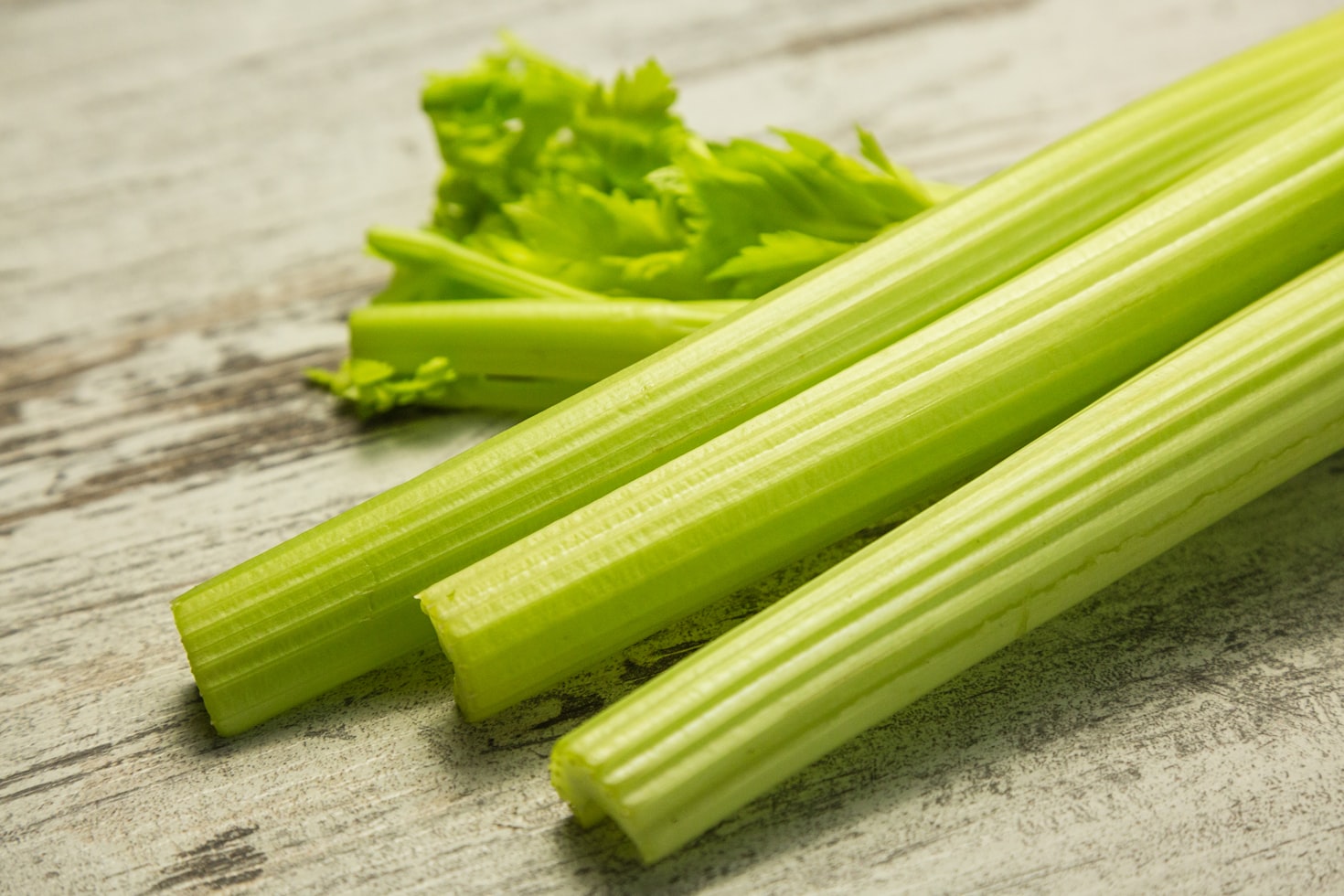
Celery should always be cut into small manageable pieces before feeding because long fibrous stalks can be difficult for some dogs to chew. Avoid feeding celery that has been prepared with salt seasoning dips or sauces as these ingredients can be unhealthy for dogs. Fresh raw celery is generally the safest option. If your dog has kidney issues sodium restrictions or digestive sensitivity it is best to check with a veterinarian before adding new vegetables to the diet. And never cook with garlic or onion.
Important: We do our best to ensure the information on this page is accurate and based on reputable animal health sources. However, this website is intended for general informational purposes only and the content has not been individually reviewed or approved by a veterinarian.
Every dog is different and reactions to foods can vary. If you have concerns about your dog’s diet or health, it is always best to speak with a qualified veterinarian.
If you believe any information on this page is incorrect or outdated, please let us know via our Contact Us page so we can review and update it.
Here are answers to some of common questions that dog owners ask about this food's safety and nutrition
Dogs can eat celery but it should not be given every day in large quantities. While it is safe and low in calories it is best treated as an occasional snack rather than a daily staple. Too much fibre from vegetables can sometimes cause digestive upset so moderation is important.

Most dogs only need a small amount of celery as a treat. Extra small and small dogs may only need a few chopped pieces while medium and large dogs can have slightly larger portions. The key is to cut celery into small bite sized pieces and keep treats to no more than about ten percent of a dog’s daily calorie intake.
If your dog eats too much celery they may experience mild digestive upset such as gas diarrhoea or stomach discomfort because of the fibre content. Provide fresh water and monitor your dog for a few hours. In most cases symptoms settle on their own. If vomiting severe diarrhoea or unusual behaviour occurs contact your veterinarian for advice.
Puppies can eat celery in very small amounts once they are established on a balanced puppy food. Because celery is fibrous it should be chopped very finely to make it easier for a puppy to chew and digest. Introduce only a few tiny pieces at first and monitor for any digestive upset. Celery should never replace nutritionally complete puppy food but can occasionally be used as a low calorie training treat when offered carefully.
Small dogs can enjoy celery but it must always be cut into very small pieces to avoid choking. The fibrous texture can be harder for small jaws to chew if given in large chunks. A few small diced pieces are usually enough for a small breed dog. Introduce celery slowly and watch for digestive upset such as gas or loose stools as some small dogs may be more sensitive to high fibre foods.
Senior dogs may benefit from celery as a light crunchy snack that is low in calories and contains antioxidants. However older dogs sometimes have dental problems or weaker chewing ability so celery should be chopped into very small pieces or lightly softened. Introduce gradually and watch for digestive tolerance. Celery should remain an occasional treat and not replace a balanced senior dog diet designed to meet their nutritional needs.
Celery can be a good snack for overweight dogs because it is very low in calories and high in water content. The crunchy texture may also help a dog feel satisfied after a small portion. Even though it is low calorie portions should still remain modest and counted as part of daily treats. Offering chopped celery alongside regular meals can sometimes help dogs feel fuller without significantly increasing calorie intake.
