
No, dogs should not eat salt in added amounts. While dogs need a tiny amount of sodium in their balanced diet, extra salt from table salt or salty foods can quickly become dangerous. Too much salt may cause dehydration, vomiting, neurological symptoms, and in severe cases salt poisoning.
Last updated:
March 21, 2026
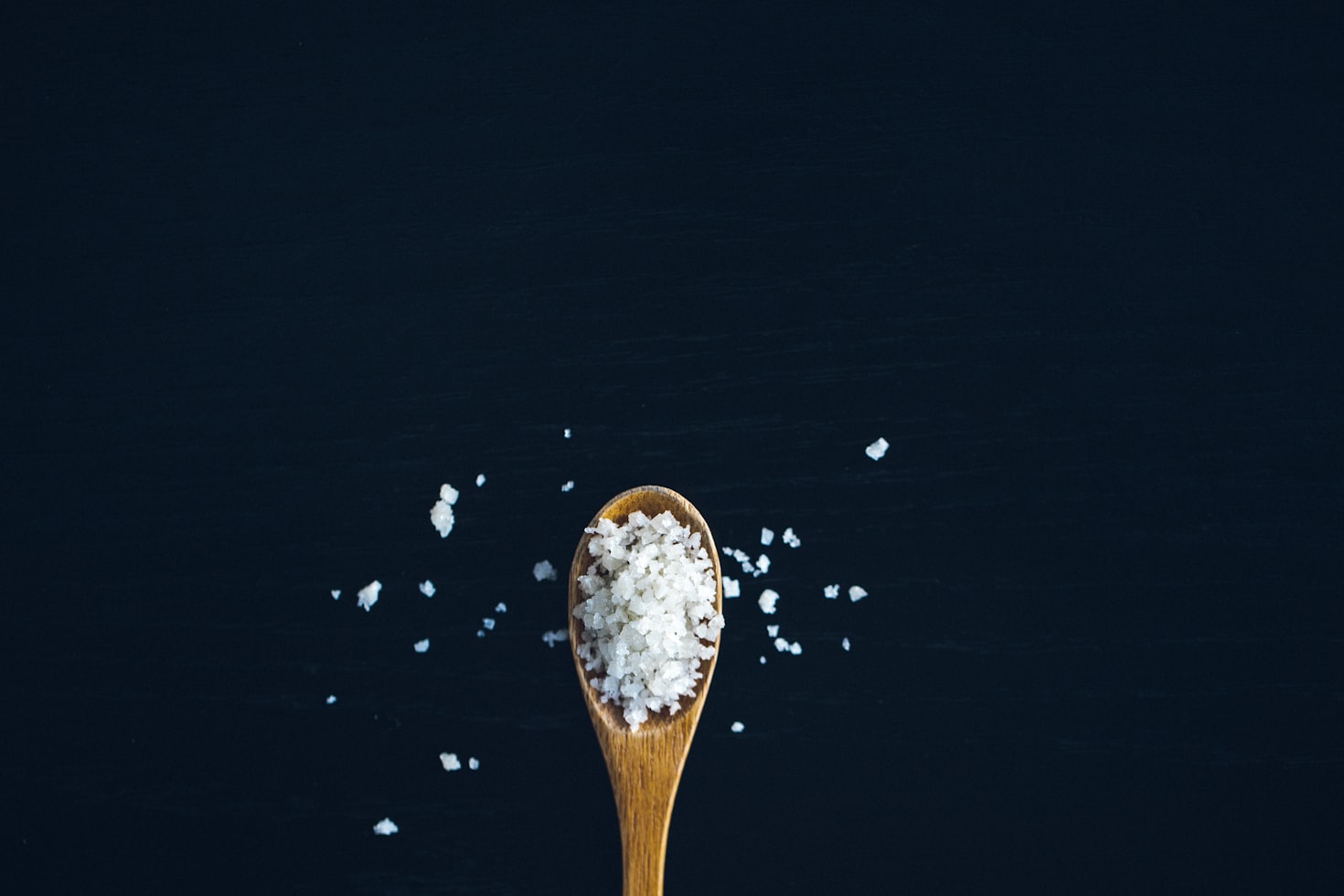
Dogs already receive the sodium they need through balanced commercial dog food. Added table salt or very salty foods can easily push intake beyond safe levels. Be cautious with processed foods such as cured meats, salted fish, chips, or gravy which may contain large amounts of sodium. Access to large amounts of salt such as rock salt, sea water, or play dough can also cause poisoning in dogs and should be kept out of reach.
Important: We do our best to ensure the information on this page is accurate and based on reputable animal health sources. However, this website is intended for general informational purposes only and the content has not been individually reviewed or approved by a veterinarian.
Every dog is different and reactions to foods can vary. If you have concerns about your dog’s diet or health, it is always best to speak with a qualified veterinarian.
If you believe any information on this page is incorrect or outdated, please let us know via our Contact Us page so we can review and update it.
Here are answers to some of common questions that dog owners ask about this food's safety and nutrition
Dogs should not eat added salt every day because they already receive the sodium they need from balanced dog food. Regularly feeding salty human foods can gradually increase sodium intake to unhealthy levels. Over time this may contribute to dehydration, digestive upset, or strain on the kidneys and heart. It is best to avoid adding salt to meals and limit access to processed foods that contain high sodium levels.

Dogs do not require additional salt in their diet beyond what is already included in balanced dog food. Even small amounts of added table salt or salty snacks can quickly increase sodium intake. Because the safe amount depends on the dog’s size and health status it is safest not to add salt at all. Providing fresh water and nutritionally balanced meals is the best way to meet a dog’s dietary needs.
If your dog eats a large amount of salt you should provide access to fresh drinking water and monitor them closely for symptoms such as vomiting, diarrhoea, excessive thirst, or unusual behaviour. Salt poisoning can develop quickly in some cases. If your dog shows neurological signs such as tremors, confusion, or seizures you should seek veterinary care immediately as this can be a medical emergency.
Puppies are particularly sensitive to excess salt because their bodies are smaller and their organs are still developing. Even a relatively small amount of salt from snacks or table scraps may upset their fluid balance and cause vomiting or dehydration. Puppies should always eat a complete puppy food designed for their growth needs. Avoid feeding salty human foods and ensure treats given to puppies are specifically made for dogs and low in sodium.
Small dogs are at higher risk of salt toxicity because their body weight is low and even a small quantity can represent a large dose. Foods like chips, salted nuts, or cured meats can contain enough sodium to cause dehydration or stomach upset in a small breed. Owners of small dogs should be especially careful with table scraps and ensure that salty foods are kept out of reach to prevent accidental consumption.
Senior dogs may be more sensitive to high sodium intake, particularly if they have underlying kidney, heart, or blood pressure issues. Excess salt can place additional strain on these systems and may worsen existing health problems. For older dogs it is best to avoid salty snacks and processed foods entirely. Feeding a balanced senior dog diet with controlled sodium levels helps support long term health.
Salt should be avoided for overweight dogs because many salty foods are also highly processed and calorie dense. Items such as chips, processed meats, or salted snacks can contribute to weight gain while providing little nutritional value. Maintaining a healthy weight in dogs is best achieved through balanced meals and controlled treats rather than human snack foods that contain excess salt and calories.
Salt becomes toxic to dogs when too much sodium enters the bloodstream. This disrupts the body’s fluid balance and causes cells to lose water, which can lead to dehydration and damage to organs including the brain and kidneys. Dogs affected by salt poisoning often develop intense thirst, vomiting, and neurological symptoms. Severe cases may occur if dogs eat large quantities of salt, drink sea water, or consume items like homemade play dough that contain significant amounts of sodium.
